


Men
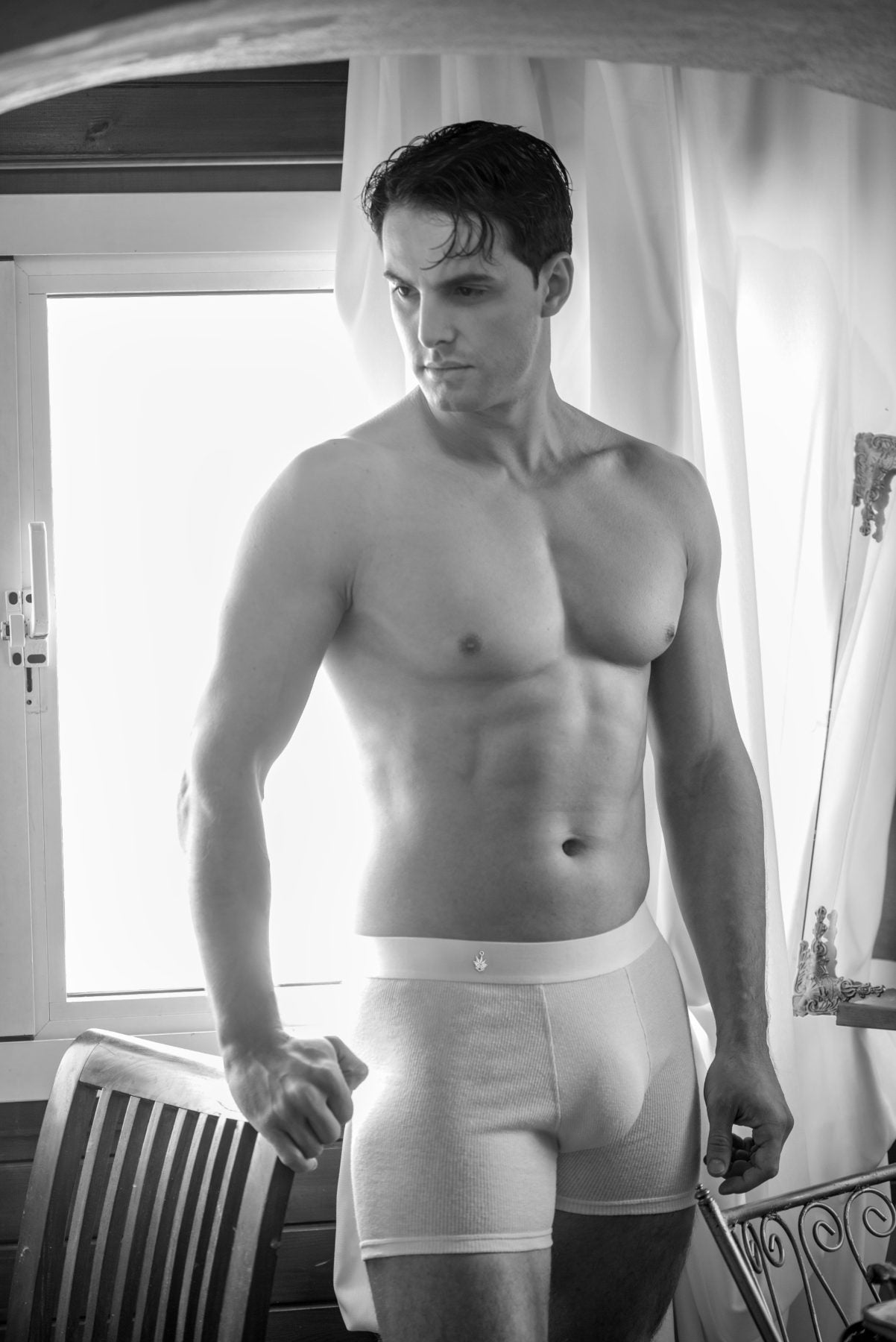
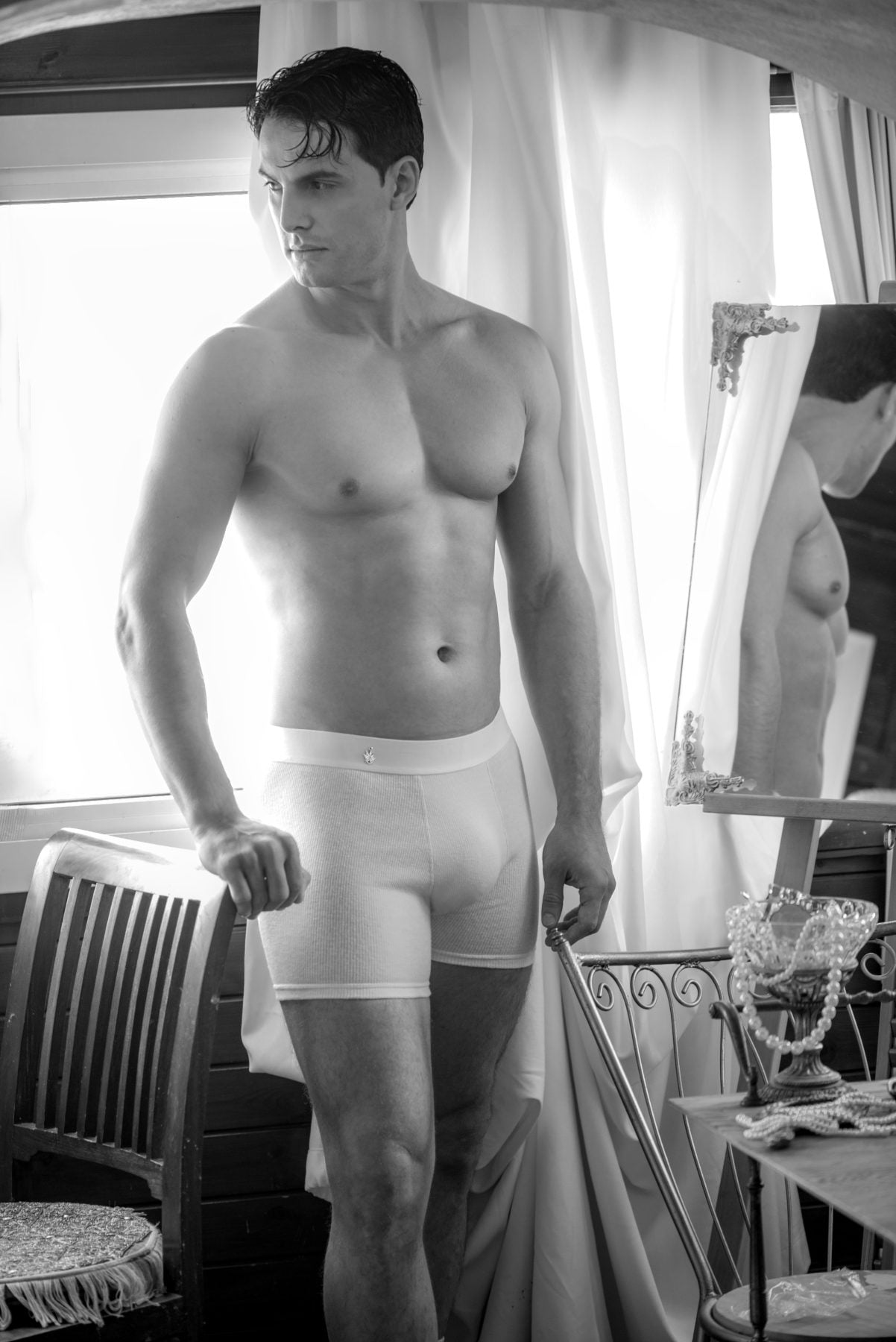
Two proportions in the OLIVER KRAUS hemp-rib knit.
Shop MenA plant fiber, resolved into a close, structured rib for the first layer.

We chose hemp for its natural character, then blended it for the demands of underwear: structure, movement and recovery. The result is a ribbed fabric with presence at first touch, designed to soften with wear.
Hemp textile fiber begins in the stalk. From there, the material is separated, prepared, blended and knitted into the rib that defines OLIVER KRAUS.
For textile use, hemp is cultivated for the fiber held within its stalk.
The textile fiber sits in the stalk’s outer layer, around a woody core.
The stalk fiber is separated and prepared into a bast fiber with a linen-like character.
Spun and blended: 52% hemp, 43% recycled polyester and 5% spandex.
Knitted into a close vertical rib with structure and recovery.
Cut and finished into the OLIVER KRAUS first layer.
A simplified material journey; exact processing varies by supplier and production method.
Underwear asks a fabric to stretch, recover and hold its line. The blend keeps hemp at the center while giving the rib the movement the garment needs.
CO₂ sequestered per hectare during hemp cultivation
Typical growing period referenced by the European Commission
Time after germination for dense ground coverage
Hemp can help suppress weeds and interrupt disease cycles when used in crop rotation.
The European Commission states that insecticides, herbicides and fungicides may be avoided in most cases.
The European Commission describes hemp textile fiber as very similar to linen.
These figures describe hemp cultivation generally and do not represent a product-level life-cycle assessment of OLIVER KRAUS garments.
Source: European Commission, “Hemp — Agriculture and Rural Development.”
The rib gives the fabric definition. Hemp provides its natural character. Recycled polyester supports resilience, while spandex lets the knit move and return. Together, they create a close first layer that holds its line without feeling rigid.


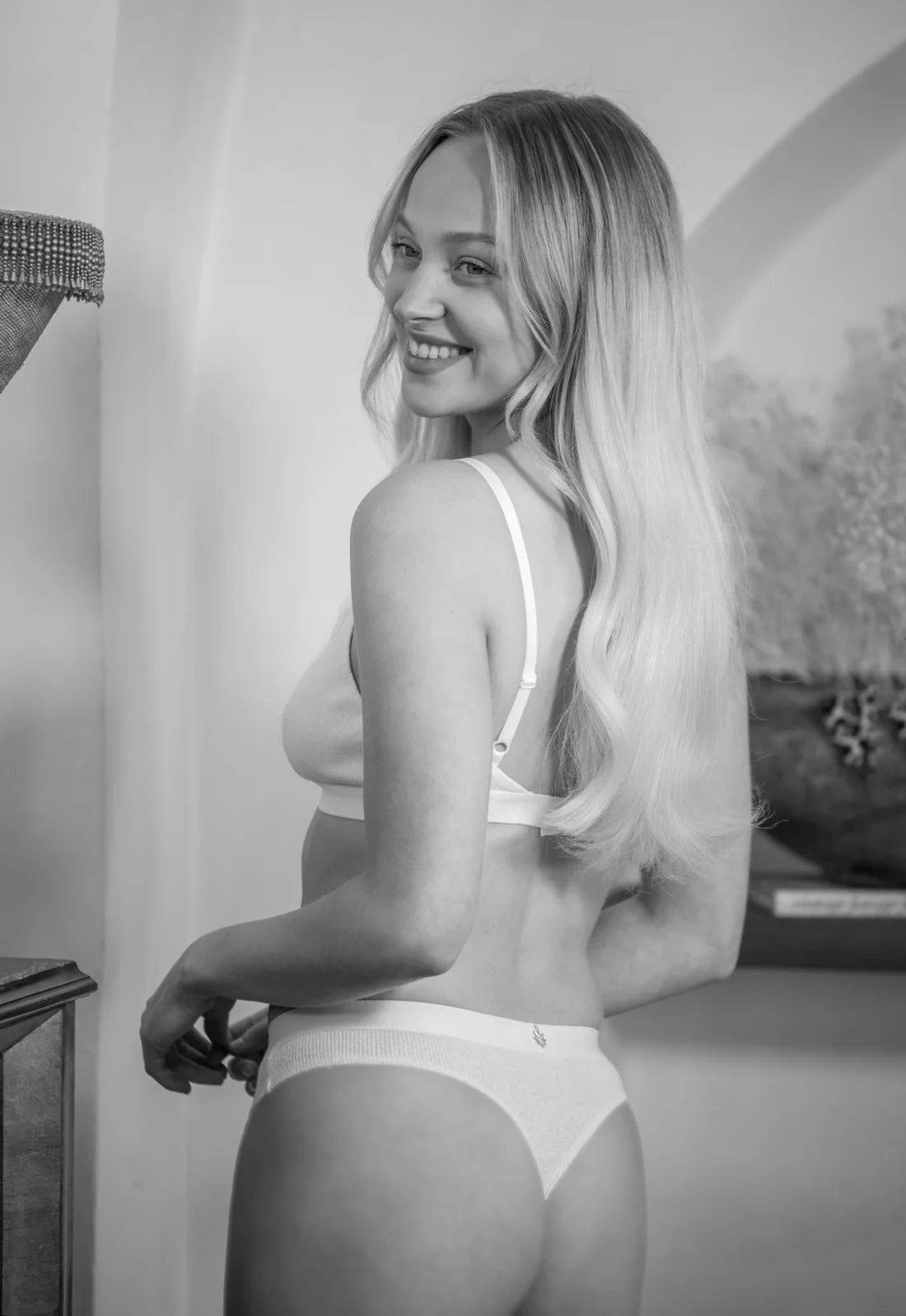
Two proportions in the OLIVER KRAUS hemp-rib knit.
Shop MenRib and Ruffle, expressed across four pieces.
Shop Women